










Tibetan Plateau: Ultimate Travel Guide and What to Know Before Visiting
The Tibetan Plateau, often called the “Roof of the World,” is a vast high-altitude region filled with breathtaking landscapes and unique cultural experiences. It is both a rewarding and challenging destination for travelers.
Whether you are seeking majestic snow-capped mountains, stunning alpine lakes, or ancient monasteries, the Tibetan Plateau promises an unforgettable journey. Many first-time travelers naturally have questions about visiting this dream destination.
This complete travel guide covers everything you need to know, including key facts, what makes the plateau unique, top experiences, the best time to visit, how to get there, must-see destinations, and essential travel tips to help you plan a safe, respectful, and unforgettable journey.
Quick Facts About the Tibetan Plateau
| Topic | Information |
|---|---|
| Location | Western China and the Himalayan region |
| Average Altitude | Over 4,000 meters |
| Highest Peak | Mount Everest (8,848.86 m) |
| Famous Mountains | Mount Everest, Mount Kailash |
| Famous Lakes | Namtso, Yamdrok, Lake Manasarovar |
| Major Religion | Tibetan Buddhism |
| Best Travel Season | April to October |
| Famous Wildlife | Tibetan antelope, wild yak, black-necked crane |
| Required Permit | Tibet Travel Permit |
Contents
 Why Is the Tibetan Plateau So Special?
What Can You Experience Across the Tibetan Plateau?
Best Time to Visit the Tibetan Plateau
How to Travel to the Tibetan Plateau
Top Destinations on the Tibetan Plateau
Travel Tips for Visiting the Tibetan Plateau
Where Is the Tibetan Plateau?
The Tibetan Plateau spans several countries across Asia, including China, India, Nepal, and Bhutan. Within China, the plateau stretches across the Tibet Autonomous Region as well as parts of Qinghai, Sichuan, Yunnan, and Xinjiang, with Lhasa serving as one of the best starting points for exploring this vast region.
The Tibetan Plateau covers roughly 2.5 million square kilometers and is surrounded by the Himalayas to the south, the Kunlun Mountains to the north, and various mountain ranges to the east and west. It is also the source of many major Asian rivers, including the Yangtze, Mekong, and Indus, providing vital water resources for millions of people downstream.
Each area of the Tibetan Plateau has its own character. Eastern Tibet is known for its grasslands and nomadic culture, while central Tibet is home to cultural centers like Lhasa and Shigatse. In the north, the Changtang grasslands offer remote wilderness and unique wildlife, while the Himalayan border regions feature dramatic mountains, glaciers, and sacred pilgrimage sites.
 Covering 2.5 million square kilometers, the Tibetan Plateau features snow-capped mountains and alpine lakes.

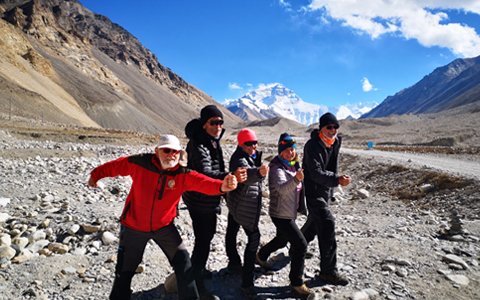
Explore the best of Tibet from Lhasa to Everest Base Camp with breathtaking Himalayan scenery!
Why Is the Tibetan Plateau So Special?
The “Third Pole” of the Earth
The plateau’s unique geography is a large part of what makes the Tibetan Plateau such a special place. The region is sometimes referred to as the “Third Pole” due to its vast ice and snow reserves, which are second only to those of the polar regions. Its glaciers and snowfields feed many of Asia’s largest rivers and play a critical role in regulating the region’s climate.
Unique Wildlife and High-Altitude Ecosystems
The plateau’s harsh environment has shaped both its wildlife and the lifestyles of the people who live there. Local plants and animals have adapted to the high-altitude conditions, making the region ecologically significant and rich in biodiversity.
Its grasslands, alpine meadows, and wetlands are critical habitats for many rare species. You can see Tibetan antelope roaming the grasslands and wild yaks grazing in the alpine meadows. Birdwatchers may also spot black-necked cranes and other rare birds across the plateau.
 The Tibetan Plateau is home to many rare species, including the famous Tibetan antelope.
A Land Shaped by Tibetan Culture and Buddhism
Tibetan culture and religion are deeply woven into every part of the plateau. Ancient monasteries, sacred mountains, and deeply rooted Buddhist traditions make it a spiritual heartland. Pilgrims from around the world visit these sacred sites to pay homage, allowing you to witness centuries-old rituals and religious traditions firsthand.
Traditional Nomadic Life and Extraordinary Travel Experiences
Across the vast grasslands, Tibetan nomads still live a traditional lifestyle herding yaks and sheep. You can witness seasonal migrations, traditional tents, and local hospitality. Engaging with nomads, sharing meals, and observing their traditions enhance the cultural depth of any journey, making the plateau not only a scenic destination but also a living cultural experience.
 You can see Tibetan nomads herding yaks and sheep when visiting the plateau.
What Can You Experience Across the Tibetan Plateau?
Visit Sacred Monasteries
Monasteries are at the heart of Tibetan cultural and spiritual life. Lhasa, Shigatse, and other Tibetan towns are home to some of the world’s most iconic monasteries. Potala Palace, Jokhang Temple, and Tashilhunpo Monastery feature rich histories, intricate architecture, and deep spiritual significance.
When visiting these sacred monasteries, you can watch monks chanting, explore peaceful courtyards, and learn about Buddhist teachings. One of the most fascinating religious activities is the famous monk debate at Sera Monastery. This traditional practice brings Buddhist philosophy to life through dramatic gestures and rhythmic hand clapping.
 During your Lhasa tour, you can visit the famous Jokhang Temple to experience the deep spiritual atmosphere.
See Stunning Alpine Lakes
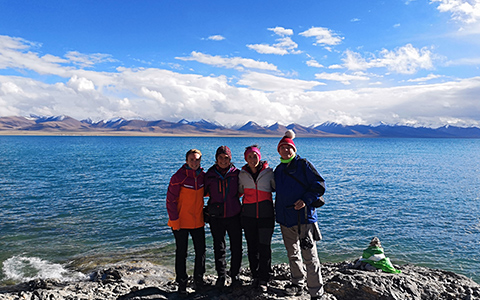
The Tibetan Plateau is home to three sacred lakes: Namtso, Yamdrok, and Lake Manasarovar. They captivate visitors with their vivid colors and serene surroundings. Namtso and Yamdrok both boast turquoise waters surrounded by snow-capped peaks, while Lake Manasarovar near Mount Kailash holds deep spiritual significance.
These lakes offer excellent photography opportunities, scenic hiking experiences, and tranquil spaces for reflection. Visiting them feels like stepping into a peaceful and untouched world.
Travel to Mount Everest Base Camp
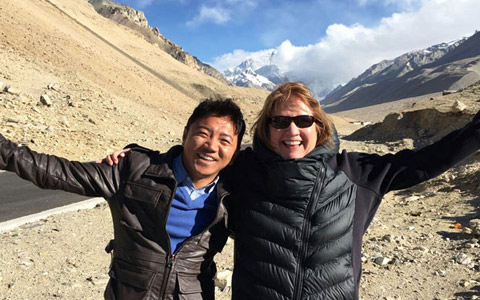
Everest Base Camp is a dream destination for many travelers hoping to see the world’s highest peak up close. You can visit Everest Base Camp by vehicle or by trekking, and the journey is both challenging and rewarding. Along the way, you will pass through dramatic high-altitude landscapes, rivers, and traditional Tibetan villages.
During spring and autumn, when the weather is generally stable, visitors can enjoy clear views of Everest’s snow-covered summit and the surrounding Himalayan peaks from the Tibetan side. For many travelers, reaching Everest Base Camp is considered a once-in-a-lifetime achievement.
 Spring and autumn offer clear views of Everest’s snow-covered summit and the surrounding Himalayan peaks.
Experience Tibetan Festivals
Planning your visit during local festivals can enrich your travel experience. Festivals such as Saga Dawa, Shoton, and Losar (Tibetan New Year) are vibrant celebrations of Tibetan culture. During these Tibetan festivals, you can enjoy traditional dances, music, and communal celebrations, gaining a deeper understanding of Tibetan society.
Tibetan people are known for their friendliness and hospitality toward both domestic and international travelers, and many are happy to welcome visitors to join local celebrations. Taking part in these colorful, lively, and deeply spiritual festivals is truly an unforgettable experience.
Taste Traditional Tibetan Food and Culture
Tibetan cuisine is hearty and unique, reflecting the region’s high-altitude environment. Popular dishes include tsampa (roasted barley flour), yak meat, momos (Tibetan dumplings), and butter tea. Trying these traditional foods not only offers insight into local life but also helps travelers adapt to the plateau climate.
 It is an enjoyable time to taste traditional Tibetan food with your fellow travelers.
Best Time to Visit the Tibetan Plateau
Spring — Fewer Crowds & Pleasant Weather
Spring (March to May) offers mild temperatures and fewer tourists. This season is ideal for exploring cities and lower-altitude grasslands without the summer heat or crowds. Popular sites are less busy, and views of the mountains and lakes become clearer.
In lower regions such as Nyingchi, travelers can enjoy blooming peach blossoms and wildflowers set against snow-capped mountains. For those who prefer quieter journeys, spring is one of the most comfortable seasons to visit the Tibetan Plateau.
 Nyingchi is a popular destination in spring, known for its beautiful peach blossoms against snow-capped mountains.
Summer — Festivals & Vibrant Grasslands
Summer (June to August) is the peak travel season on the Tibetan Plateau, bringing colorful festivals and lush landscapes. Major events such as the Saga Dawa Festival and Shoton Festival take place during this time, creating a lively and festive atmosphere.
Summer temperatures on the plateau are generally cooler than in many other regions, making it an excellent season for hiking, self-driving tours, and outdoor activities.
Autumn — Clear Mountain Views & Photography
Autumn (September to October) is widely considered the best season to visit the Tibetan Plateau. Skies are clear, the air is crisp, and mountain views are especially dramatic. As the landscape turns golden, it becomes an ideal time for photography, sightseeing, and high-altitude journeys such as Everest Base Camp.
 The clear skies and crisp air make autumn a good time to get dramatic mountain views.
Winter — Budget Travel & Authentic Tibetan Culture
Winter (November to February) is cold and dry, with many sunny days. Fewer tourists also mean lower prices for flights, hotels, and travel services. It is an excellent season to experience authentic local life, religious rituals, and peaceful monastery visits away from the crowds.

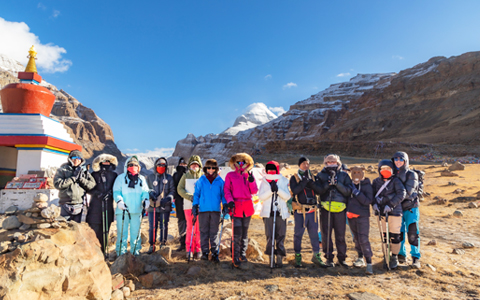
Experience a sacred journey to Mount Kailash and Lake Manasarovar across the mystical landscapes of western Tibet!
How to Travel to the Tibetan Plateau
By Train — Scenic Railway Journey to Tibet
The Tibet train, traveling along the Qinghai–Tibet Railway, is one of the most popular ways to travel to the Tibetan Plateau because of its breathtaking scenery. The train journey passes through turquoise lakes and rivers, expansive grasslands, and snow-capped mountains.
Onboard facilities, including comfortable bedding, dining cars, and clean toilets, make the journey enjoyable, while large windows provide panoramic views throughout the trip. The train journey itself is as memorable as the destination.
 Taking the Qinghai–Tibet Railway is a popular way to travel to Tibet, with breathtaking scenery along the way.
By Flight — Fast and Convenient Access to Tibet
Flights to Lhasa are the fastest way for travelers with limited time to reach the Tibetan Plateau. Major Chinese cities such as Beijing, Chengdu, Xi’an, Chongqing, and Xining offer daily flights to Lhasa Gonggar Airport, with flight times ranging from around 2 to 4.5 hours.
Along the way, you can enjoy aerial views of the plateau’s mountains and valleys as a scenic prelude to your Tibet adventure.
By Overland Route — Epic Road Trips Across the Plateau
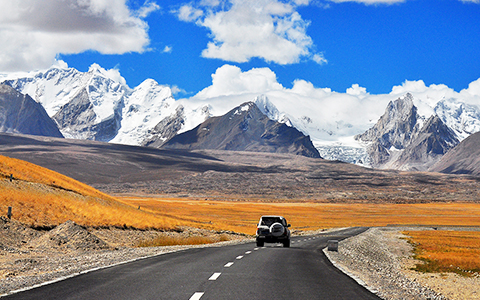
Overland journeys, such as routes from Nepal or Sichuan, offer immersive road-trip experiences. During the journey, you can encounter winding mountain passes, remote villages, and vast landscapes that are difficult to experience by train or plane. Although these routes require more time and planning, they are highly rewarding.
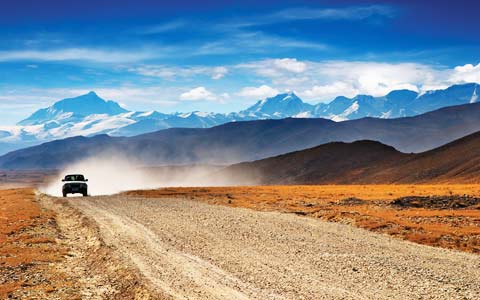
 An overland journey from Nepal to Tibet is an epic road-trip experience that passes through vast landscapes.
Top Destinations on the Tibetan Plateau
Lhasa — Tibetan Culture and Buddhist Heritage
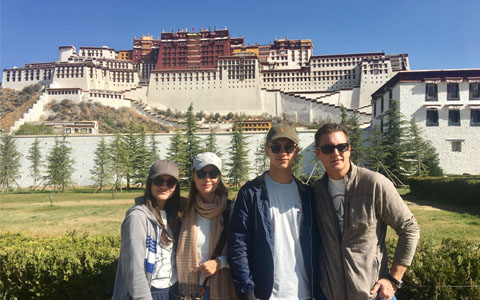
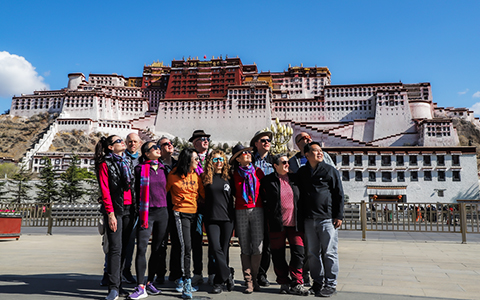
As the cultural and spiritual center of Tibet, Lhasa is home to the famous Potala Palace, Jokhang Temple, and Barkhor Street. The city offers an immersive look into Tibetan Buddhism, art, and daily life. You can explore historic sites, join pilgrim circuits, and experience the rhythms of Tibetan daily life.
 The Potala Palace is the most iconic attraction in Lhasa.
Everest Base Camp — Spectacular Himalayan Views
Among the natural wonders on the Tibetan Plateau, Mount Everest is perhaps the most iconic. The world’s tallest peak is best viewed from the Tibetan side, where Everest Base Camp offers spectacular close-up views of the mountain and the surrounding Himalayan landscape.
Namtso Lake — Sacred Alpine Lake Scenery
Namtso Lake is one of the highest saltwater lakes in the world, known for its crystal-clear blue waters and stunning mountain scenery. You can hike along the shore, camp nearby, or join pilgrims in spiritual practices, combining natural beauty with meaningful cultural experiences.
 You can experience yak riding by the shore of beautiful Namtso Lake.
Yamdrok Lake — Turquoise Waters and Scenic Drives
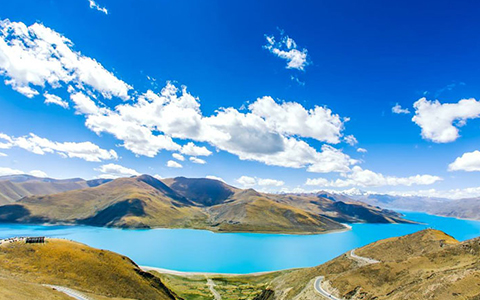
Yamdrok Lake attracts visitors with its spiritual significance and turquoise waters. Accessible via scenic roads between Lhasa and Shigatse, this sacred lake combines breathtaking scenery with rich cultural experiences.
It is especially ideal for travelers seeking peace and tranquility. Simply sitting by the lakeshore allows you to feel a deep sense of inner calm, far away from the noise and distractions of modern life.
Mount Kailash & Lake Manasarovar — Sacred Pilgrimage Journey
Mount Kailash and Lake Manasarovar are among the most sacred sites in Asian religions. Pilgrims from many traditions journey here to circumambulate the mountain and bathe in the sacred waters of Lake Manasarovar. The three-day Mount Kailash kora combines physical challenge, natural beauty, and profound cultural significance.
 It is a deeply spiritual pilgrimage journey combining Mount Kailash and Lake Manasarovar in one trip.
Travel Tips for Visiting the Tibetan Plateau
Altitude and Acclimatization
Most areas on the Tibetan Plateau are over 4,000 meters, so it is essential to allow time for acclimatization. You should take things slow, avoid heavy exercise in the first two days, drink plenty of water, and get enough rest. Mild symptoms usually improve with time, but severe cases require immediate descent and medical attention.
Travel Permits and Regulations
All foreign travelers need a Tibet Travel Permit to visit the Tibet Autonomous Region. Additional permits are required for restricted areas such as Mount Everest and Mount Kailash. These permits can only be arranged through registered travel agencies, as independent applications are not permitted.
 All foreign travelers need a Tibet Travel Permit to visit the Tibet Autonomous Region.
What to Pack
Temperatures change quickly on the plateau, so dressing in layers is essential. To protect yourself from the strong UV rays at high altitude, sunscreen, sunglasses, and a hat are highly recommended. Other useful items include lip balm, comfortable walking shoes, a reusable water bottle, and any personal medications.
Cultural Etiquette
Respect local traditions by dressing modestly, asking permission before taking photos of people or religious sites, and interacting politely with local people. When visiting monasteries, do not touch religious objects without permission, and keep your voice down, especially during religious ceremonies.
 When visiting Tibetan monasteries, it is important to dress modestly and follow the regulations.
Cross the Himalayas from Lhasa to Kathmandu with stunning Everest views and rich Tibetan culture!
Quick Summary and FAQs About the Tibetan Plateau
Quick Summary
The Tibetan Plateau is one of the world’s most extraordinary travel destinations, offering breathtaking mountain landscapes, sacred lakes, ancient monasteries, and deeply rooted Tibetan culture. From Mount Everest and Mount Kailash to Lhasa and the vast grasslands, every region presents unique natural beauty and cultural experiences.
The best time to visit is generally from April to October, especially during spring and autumn when the weather is stable and mountain views are clear. Traveling across the plateau is both rewarding and challenging due to the high altitude, so proper acclimatization and careful planning are essential.
Whether traveling by train, flight, or overland route, the journey itself is often as memorable as the destination.
Q1: Where is the Tibetan Plateau located?
The Tibetan Plateau stretches across western China and neighboring Himalayan regions, including parts of India, Nepal, and Bhutan. Within China, it mainly includes Tibet, Qinghai, Sichuan, Yunnan, and Xinjiang.
Q2: Why is the Tibetan Plateau called the “Roof of the World”?
The plateau has an average elevation of over 4,000 meters, making it the highest and largest high-altitude region on Earth. Its towering mountains and vast landscapes give it the name “Roof of the World.”
Q3: Is the Tibetan Plateau the same as Tibet?
Not exactly. Tibet is an important part of the Tibetan Plateau, but the plateau itself extends beyond the Tibet Autonomous Region into several neighboring provinces and countries.
Q4: What is the best time to visit the Tibetan Plateau?
The best travel season for a Tibet tour is generally from April to October. Spring and autumn are especially popular for clear mountain views, while summer is ideal for festivals and grassland scenery.
Q5: Is altitude sickness common on the Tibetan Plateau?
Yes, some travelers may experience mild altitude sickness due to the high elevation. Resting well, staying hydrated, and allowing time for acclimatization can help reduce symptoms.
Q6: Do foreign travelers need a permit to visit Tibet?
Yes. Foreign travelers must obtain a Tibet Travel Permit, and additional permits may be required for areas such as Everest Base Camp and Mount Kailash.
Q7: What are the top places to visit on the Tibetan Plateau?
Popular destinations include Lhasa, Mount Everest Base Camp, Namtso Lake, Yamdrok Lake, Mount Kailash, and Lake Manasarovar. Each destination offers unique natural scenery and cultural experiences.
Q8: How do I get to the Tibetan Plateau?
Travelers can reach the plateau by train, flight, or overland routes. The Qinghai–Tibet Railway is especially popular for its spectacular scenery along the journey.
Q9: Can I travel independently in Tibet?
Independent travel is currently not permitted for foreign travelers in Tibet. Trips must usually be arranged through a registered travel agency with an organized itinerary.
Q10: Is the Tibetan Plateau safe for tourists?
Yes, the Tibetan Plateau is generally safe for travelers. Proper preparation for the altitude, suitable clothing, and respect for local customs will help ensure a smooth and enjoyable journey.
Conclusion
Traveling to Tibet is a once-in-a-lifetime experience. The Tibetan Plateau is unlike anywhere else in the world, offering extraordinary natural beauty, rich cultural heritage, and unforgettable moments that stay with you long after the journey ends.
Its sacred monasteries, turquoise lakes, vast grasslands, and towering peaks provide experiences that combine adventure, reflection, and discovery. Colorful festivals, unique cuisine, and encounters with hospitable locals enrich the journey, offering travelers a deeper understanding of Tibetan culture.
With careful planning and proper preparation, travelers can enjoy a safe, meaningful, and unforgettable adventure across the Tibetan Plateau. Whether you seek spiritual peace, natural wonder, or cultural discovery, contact us and let us help you plan your dream journey to Tibet.



Ask a Quick Question